

From the Summer of ’69 to an Electrified Future: The Chevy Blazer EV
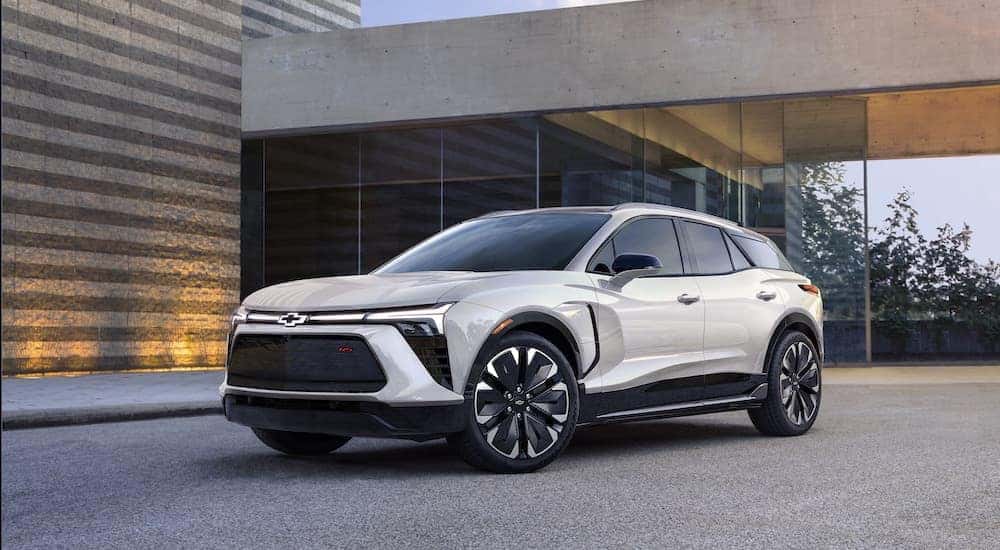
One of the many perks of being your Stanley Chevy dealer is showcasing models like the 2024 Chevy Blazer EV. The newest iteration of the Blazer marks the SUV’s significant transition in the Chevy lineup. While it was Chevrolet’s answer to the Ford Bronco in the late 1960s, the new Blazer is something far more and, like its former rival, returns to the American landscape with a modern twist. It’s no longer here to give the Bronco a run for its money; it’s here as a Camaro-inspired crossover ready to shake up the segment and build a greener future.
The Summer of ‘69
Bryan Adams sang about the “Summer of ‘69” in his hit single, recounting a young man’s dilemma between settling down and chasing his dreams of stardom. For Chevrolet, the path was evident in the summer of ‘69. Fame was a given, at least for the newly introduced Blazer.
Ford introduced the Bronco in 1966, sending Chevrolet into a frenzy to design a competitor. The answer came in 1969 when the Blazer made its official debut as a larger alternative that was just as capable. So how did Chevrolet accomplish such a feat?
Built on the same platform as Chevy’s C/K series truck, the Blazer exchanged the cab and bed of the pickup truck for an open-topped body. As a result, the Blazer’s cabin was far more spacious, accommodating more people and gear than its rival. But would that be enough to outshine the Bronco? While some criticized its size, adventurers soon discovered the Blazer’s hidden secret and how it used its size to its advantage.
Beyond its expansive cabin, the Blazer’s biggest head-turner was its high-torque 350ci small-block engine mated to an automatic transmission. Previously used on Chevrolet’s truck lineup, the four-barrel small-block churned out 255 horsepower and blasted from 0 to 60 mph in 11 seconds, a remarkable feat at the time. The Bronco took 14.5 seconds to reach speed, pushing its powertrain to its limits before demanding more like an adrenaline-pumped skydiver after her last jump. There was no question that the Blazer with the 350 under its hood was the fastest four-wheel drive vehicle available at the time.
A History of Firsts
The 1969 Blazer, powered by the 350ci engine, made a lasting impression in the segment and set the stage for the SUV’s future in the Chevrolet lineup. It raised the standards of performance, setting a new benchmark of what a four-wheel drive SUV could do. Today, the 2024 Blazer EV continues that tradition and proves that electric power can be just as (if not more) impressive.
The Blazer returned to the Chevrolet lineup in 2019 and marked the SUV’s transformation from a bare-bone adventurer to a well-equipped crossover with design cues from the iconic Camaro. Chevrolet transforms the Blazer yet again for 2024, introducing the first electric SS or Super Sport performance model in history. The Blazer once again raises the bar.
The 2024 Blazer EV is built on GM’s revolutionary Ultium Platform, designed to reduce the rising costs of electric vehicles with its modular configuration. As a result, the Ultium Platform is the basis for a wide range of electric cars, trucks, and SUVs and is flexible to accommodate various battery packs to meet the diverse needs of drivers. In addition, and perhaps more importantly, Ultium is evidence that driving an EV like the Blazer doesn’t have to come at the cost of capability or performance.
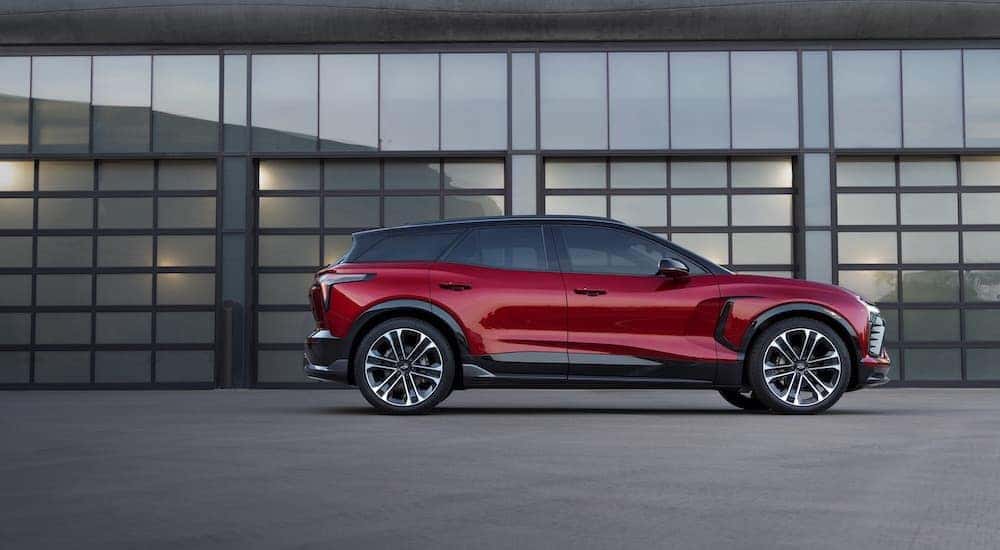
The 2024 Blazer EV SS is the best example of Chevrolet’s refusal to settle for less or ask its drivers to do the same. The Super Sport performance model is the first of its kind, electrifying the Camaro-inspired SUV and helping drivers navigate their way into an all-electric future. Like the first-generation Blazer, it defies the standards of the segment in terms of power, delivering up to 557 horsepower and 648 lb-ft of torque that launches the SUV from 0 to 60 mph in under four seconds. That’s a far cry from the 11-second launch of the 1969 Blazer, proving just how far the legendary SUV has come over the years.
New Priorities
The first-generation Blazer was designed to rival the Ford Bronco, but the 2024 Blazer EV has different priorities, even with the recent reintroduction of the Ford nameplate. The 2024 Blazer EV swaps its penchant for off-road adventure with a need for speed and street performance. As a result, it’s a crossover designed for the pavement, vastly distinguishing it from its early rival and former off-road prowess.
Power and On-Road Performance
This shift in priorities is readily apparent in the 2024 Blazer EV’s features, especially with the inclusion of the Wide Open Watts mode on the SS that allows drivers to leverage the SUV’s electric power. It’s also apparent in the performance-focused features like the Brembo brakes, sport-tuned chassis, and advanced Super Cruise driver-assist technology. These components deliver an engaging driving experience you won’t find on any other electric crossover in the segment.
Along with these new priorities comes the most noticeable change––the exchange of the Blazer’s internal combustion engine with an electric powertrain that offers multiple range options and eliminates the guesswork of adopting an all-electric lifestyle. The Ultium Platform accommodates front-wheel, all-wheel, or rear-wheel drive and offers a broad spectrum of ranges, from the 247-mile Blazer 1LT to the 320-mile RS. This versatility makes it easy for drivers to find the perfect powertrain for their needs. At the same time, Chevrolet makes recharging the Blazer EV as simple as plugging in a smartphone with an onboard AC charging module and DC fast-charging capability.
Technology
The first-generation Blazer was available as a bare-bones model, sold topless and with only a driver seat. Chevrolet gave customers the option to add a fiberglass or soft top, front bucket seats, a removable rear seat, or amenities like power steering and air conditioning. However, that was the extent of comfort and technology, slating the first-gen Blazer as little more than a utilitarian adventurer.
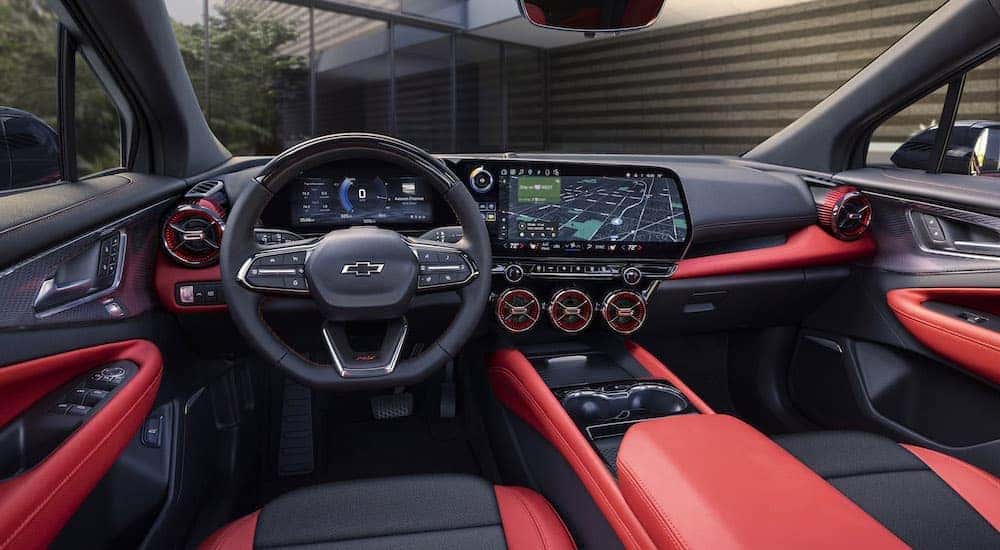
The 2024 Blazer EV starkly contrasts its first-generation sibling, showcasing that Chevrolet’s priorities have shifted to focus more on driver comfort. This shift is especially apparent in the Blazer EV’s expansive suite of cutting-edge technology that stretches from a 17.7-inch color touchscreen display and infotainment system to a digital driver information center, navigation system, smartphone integration, and Super Cruise. While the 1969 Blazer was touted for its spacious cabin and ability to accommodate passengers and gear, the 2024 Blazer EV is heralded for its intelligence and state-of-the-art features that keeps the driver connected and gives them the ability to take their hands off the wheel.
A Long and Winding Road
The 2024 Blazer EV marks the latest destination in the Blazer’s long and winding path throughout Chevrolet history. The Blazer got its start in the late 1960s as a bare-bones adventurer destined to compete with the Ford Bronco. This rivalry flourished over the next several decades, earning the Blazer legendary status until its discontinuation in the new millennium. By then, the Blazer was overshadowed by the Tahoe, but it was never forgotten.
The Blazer’s reintroduction in 2019 marked a significant shift in its build, introducing the former adventurer as a sleek crossover with no interest in getting a little mud on the tires. The 2024 Blazer EV builds on this new identity, shifting its priorities to deliver the much-needed speed and capability drivers are looking for in the burgeoning EV segment. But how does this extreme transformation reflect Chevrolet as a brand? It proves that Chevy isn’t afraid to think outside the box, encouraging drivers to do the same by reintroducing former legends with a modern, electrified twist.
0 comment(s) so far on From the Summer of ’69 to an Electrified Future: The Chevy Blazer EV